
What to Do When Your Insurance Company Fails to File Required FMCSA Forms
Last month, Mark got a phone call that shut his business down immediately.
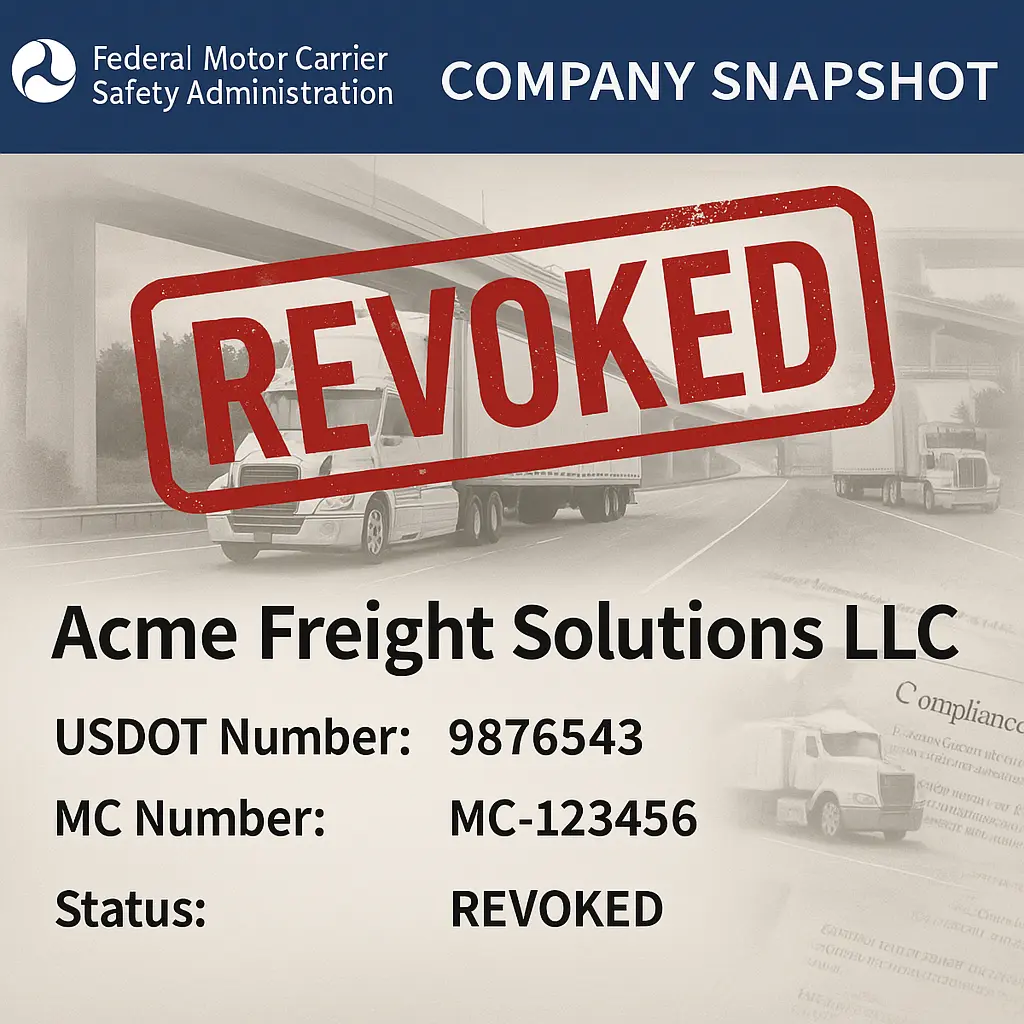
Mark is the owner of a small fleet and was told by a broker they couldn’t use his company to haul loads because the FMCSA’s SAFER database showed his company didn’t have authority to operate. “Impossible!” thought Mark. His company had been in business for five years without issue, and he always paid his insurance premiums on time. But when he checked the FMCSA SAFER system, sure enough, his operating authority showed as revoked.
What Happened?
Under FMCSA regulations, every motor carrier must maintain proof of liability insurance on file with the agency. Insurance companies—not the carrier—are responsible for electronically filing Form BMC-91 or BMC-91X to notify FMCSA of coverage. If the insurance company fails to update the filing in time, FMCSA automatically issues a Notice of Revocation of Authority. That’s exactly what happened to Mark. His insurance carrier never filed the required notice of continued coverage.
Mark’s insurance company admitted the error, paid the FMCSA’s $80 reinstatement fee, and his operating authority was restored within a week. But the damage was already done. In FMCSA’s public records, Mark’s company now appeared as if it had just been newly authorized. Shippers and brokers often require carriers to have at least six months of active operating authority before awarding loads, so many of his existing clients refused to work with him.
Does Mark just have to take the hit on his business and finances? No. The law across the U.S. allows for remedies and compensation when a business suffers financial losses due to another party’s negligence. In this case, the insurance company’s failure to properly file with FMCSA is the cause, and they should be held responsible for the losses Mark faces while rebuilding his standing.
The best step for Mark is to meet with a trucking and insurance law firm to discuss his rights. Each state has its own rules on handling notice requirements, calculating damages, and pursuing recovery, but the foundation is clear: carriers shouldn’t have to bear the financial consequences of mistakes made by their insurance company when it comes to FMCSA filings.