
Towing & Wrecker Accident Claims
Downtime Recovery for Tow Truck Operators
When Your Tow Truck is Down, Your Business Stops.
We Get You Paid for Every Day You're Off the Road.
When your tow truck or wrecker is damaged in a not-at-fault accident, you’re not just dealing with repair costs. You’re losing service calls, rotational work, police contracts, and the daily revenue that keeps your towing business running. Eckert & Associates, P.A. specializes in helping towing and wrecker operators recover the full value of their losses, including downtime, diminished value, and all out-of-pocket expenses.
Attorney Kelsea Eckert has represented commercial vehicle operators since 1988, including towing professionals who understand that every hour off the road means missed calls and lost income.
Why Towing Operators Need Specialized Legal Representation
Your Tow Truck is Your Livelihood
Unlike passenger vehicles where an accident means inconvenience, when your tow truck or wrecker is down:
Service calls go unanswered
Customers call competitors when you can't respond
Rotational work disappears
Police and motor club rotations continue without you, and getting back in can be difficult
Contracts are jeopardized
Municipal contracts, fleet agreements, and AAA/motor club relationships require reliability
Revenue stops immediately
No truck means no tows, no impounds, no recoveries, no income
Expenses continue
Insurance, lot rent, employee wages, and loan payments don't stop just because your truck is damaged
Insurance Companies Don't Understand Towing Economics
Standard adjusters often:
- Undervalue specialty towing equipment and modifications
- Dispute downtime calculations for 24/7 operations
- Challenge the need for specialized repair facilities
- Ignore the cost of lost rotational positioning
- Fail to account for seasonal variations (winter weather, holiday travel)
- Don’t understand the difference between light-duty, medium-duty, and heavy-duty tow truck economics
We speak your language. We understand Private Property Impound “PPI” calls, rotation lists, impound revenue, recovery work, and the financial realities of towing operations.
What We Recover for Towing & Wrecker Operators
Property Damage - Full Repair or Replacement Costs
Complete repair cost
Including:
- Body and frame repair for tow trucks and wreckers
- Hydraulic system repairs or replacement
- Wheel-lift and underlift equipment
- Winches, cables, and rigging equipment
- Lighting and safety equipment
- Specialized toolboxes and storage
- Custom modifications and upfits
Total loss valuation
When your tow truck can’t be economically repaired:
- Fair market value for your specific unit
- Value of all specialized equipment and modifications
- Recent maintenance and upgrades
- Replacement cost for comparable equipment
Diminished value
Even after repairs, your tow truck loses resale value due to accident history
Downtime (Loss of Use) - Your Lost Business Income
Service call revenue
Rotational work
Impound and storage fees
Recovery work
Seasonal premiums
24/7 operation impact
Out-of-Pocket Expenses
Towing costs
Storage fees
Rental equipment
Lost equipment
Administrative costs
Employee costs
Consequential Business Losses
Lost rotational position
Contract penalties
Customer attrition
Reputation damage
Our Process for Towing & Wrecker Accident Claims
We evaluate your accident and determine the full scope of recoverable damages:
Liability assessment – Was the other party clearly at fault?
Equipment valuation – What’s your tow truck actually worth with all modifications?
Income analysis – What were you earning before the accident?
Downtime projection – How long will you be out of service?
Documentation review – What records do you have to support your claim?
Your role: Call (904) 278-7688 or submit your case details online
Evidence and Documentation Collection
We help you gather everything needed to prove your losses:
Accident documentation:
- Police report
- Citations issued
- Accident scene photos and dash cam video
- Witness statements
- Photos of damage to your tow truck
- At-fault driver’s insurance information
Vehicle and equipment documentation:
- Registration and title
- Recent appraisals or purchase records
- Modification and upfit invoices
- Maintenance records
- Equipment inventory (winches, wheel-lifts, etc.)
Income documentation:
- Service call logs and invoices
- Rotation assignment records
- Contract agreements (police, motor clubs, fleets)
- Income records or bank statements showing deposits
- 1099s or Tax returns (Schedule C for sole proprietors)
- Seasonal revenue patterns
Repair documentation:
- Estimates from qualified tow truck repair facilities
- Parts availability and lead times
- Supplemental damage discoveries
- Final repair invoices
- Before and after photos
Mitigation documentation:
- Attempts to rent replacement equipment
- Efforts to use backup trucks (if you have them)
- Communication with rotation managers
- Detailed timeline of activity
- Steps taken to minimize business losses
Your role: Provide what you have; we help fill in the gaps
Demand Package Preparation
We build a comprehensive claim that insurance companies can’t ignore:
Professional demand letter including:
- Clear explanation of liability
- Detailed property damage calculation
- Day-by-day downtime analysis
- Industry-standard rates for towing operations
- Proof of income and business impact
- All out-of-pocket expenses documented
- Diminished value appraisal
Supporting evidence organized and indexed for maximum impact
Legal citations establishing your right to full compensation under applicable law
Your role: Review and approve the demand before we submit it
Negotiation with Insurance Companies
We handle all communication with the at-fault party’s insurer:
Initial presentation – Submitting your comprehensive demand
Objection responses – Countering insurance company pushback with additional evidence
Negotiation – Pushing for fair settlement that covers all your losses
Documentation – Ensuring proper releases that protect your rights
Your role: Minimal involvement; we keep you informed of progress
Litigation (If Necessary)
If the insurance company won’t negotiate fairly:
Local counsel engagement – We partner with attorneys in your jurisdiction
Lawsuit filing – Formal complaint filed in appropriate court
Discovery – Gathering additional evidence through legal process
Settlement negotiation – Most cases settle even after filing
Trial – If necessary, we pursue your case to verdict
Your role: Cooperate with discovery; attend depositions and trial if required
Recovery and Payment
Settlement execution – Reviewing releases, ensuring proper payment and documentation
Disbursement – Getting your money to you promptly
Your role: Receive your compensation and get back to business
Common Challenges in Towing Operator Claims And How We Overcome Them
Challenge 1: “You Should Have Rented a Replacement Tow Truck”
What insurance companies say: “You failed to mitigate your losses by not renting another tow truck.”
The reality: Replacement tow trucks are rarely available for rent, especially specialized equipment like heavy-duty wreckers, rotators, or landoll trailers.
Our response: We document:
- Rental searches showing no available comparable equipment
- Cost quotes proving rental would exceed potential revenue
- Specialty equipment that can’t be replicated with rentals
- Your attempts to mitigate through other means
- The adverse’s failures to communicate and move the claim forward
Challenge 2: “Your Downtime Calculation is Excessive”
What insurance companies say: “You’re claiming too much daily income. Prove every potential client call you missed.”
The reality: Towing is unpredictable. You can’t prove what calls you would have received, but you can establish reasonable averages.
Our response: We prove:
- Your historical average daily revenue over the past 3-6 months
- Seasonal variations (winter storms, summer travel)
- Rotational call volume from police/motor club records
- Similar operations in your market
- 24/7 availability means round-the-clock income potential
Challenge 3: “Repairs Took Too Long”
What insurance companies say: “The repair time was unreasonable. We’ll only pay for X days.”
The reality: Specialized tow truck repairs require specialized parts and facilities. Standard body shops can’t handle towing equipment.
Our response: We document:
- Parts on back order (hydraulic components, wheel-lifts, etc.)
- Limited repair facilities qualified for towing equipment
- Shop scheduling and labor availability
- Manufacturer lead times for specialized equipment
- Delays caused by insurance company’s own inspection process
Challenge 4: “We’ll Only Pay Standard Vehicle Value”
What insurance companies say: “We value your truck as a standard chassis, not including modifications.”
The reality: A tow truck’s value includes all the specialized equipment that makes it fully functional as a commercial unit.
Our response: We prove:
- Cost of all modifications and upfits
- Market value of comparable equipped tow trucks
- Replacement cost for your specific configuration
- Recent investments in equipment and upgrades
- Industry-standard valuation methods for towing equipment
Challenge 5: “You Have Other Trucks in Your Fleet”
What insurance companies say: “You have backup wreckers, so you didn’t lose income.”
The reality: Most towing operators run at high utilization. Backup trucks don’t eliminate losses.
Our response: We show:
- Fleet utilization rates proving all tow trucks were needed
- Specific capabilities of the damaged truck not replicated by others
- Rotational assignments specific to the damaged unit
- Increased overtime or subcontractor costs using backup equipment
- Lost efficiency and reduced capacity
Types of Towing Equipment We Handle Claims For
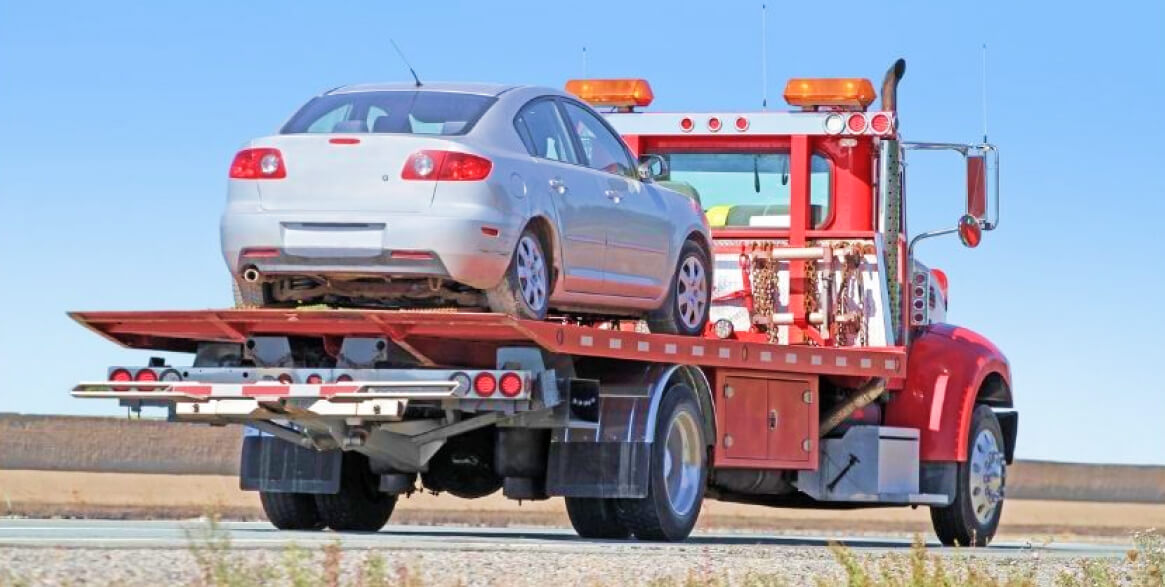
Light-Duty Tow Trucks
- Flatbeds and rollbacks - Standard passenger vehicle recovery
- Wheel-lift trucks - Quick hookup for disabled vehicles
- Integrated units - Combination wheel-lift and boom
- Typical daily revenue: $300-$800+ depending on market and call volume
- Common issues: Insurance companies undervalue modifications, dispute 24/7 income potential
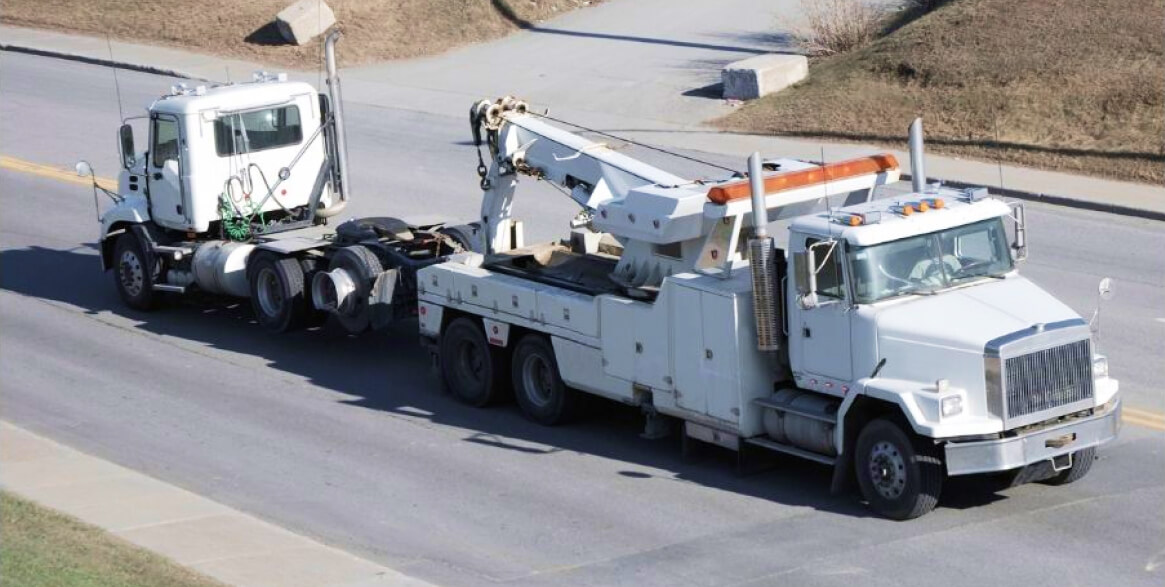
Heavy-Duty Wreckers and Rotators
- Class 7-8 wreckers - Semi-trucks, buses, large RVs
- Rotator units - Specialized heavy recovery equipment
- Heavy-duty underlift - Moving disabled commercial vehicles
- Typical daily revenue: $1,000-$3,000+ for specialized recovery work
- Common issues: Extremely limited rental availability, high-value equipment disputes, complex recovery work calculations
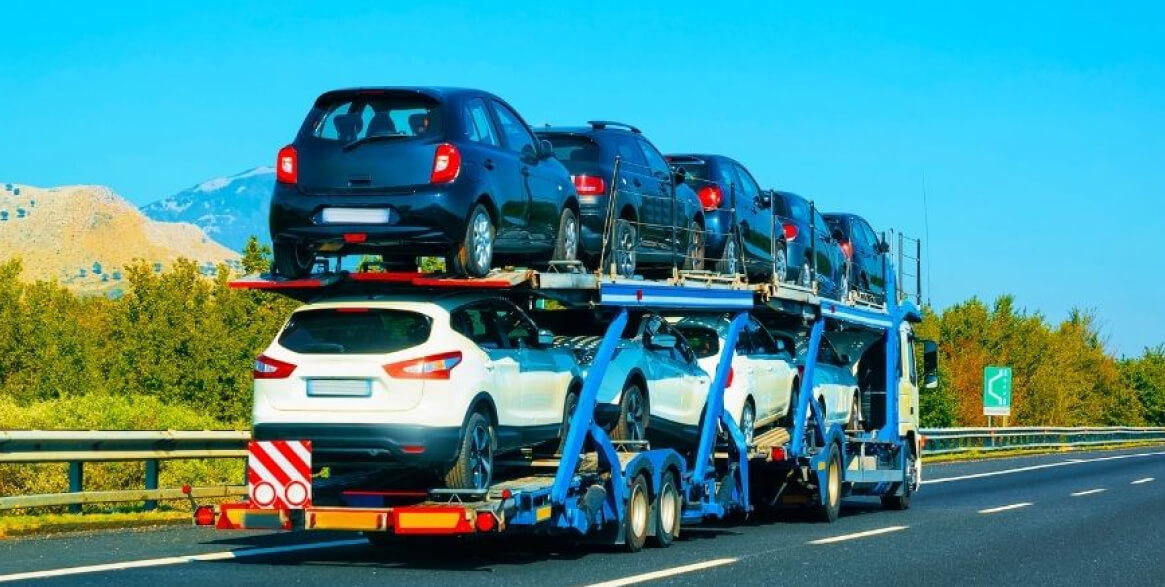
Specialized Towing Equipment
- Landoll trailers - Hydraulic tilt-bed trailers for equipment transport
- Carrier decks - Transporting multiple vehicles
- Air cushion recovery - Specialized off-road and sensitive vehicle recovery
- Motorcycle/ATV carriers - Specialized small vehicle transport
- Typical daily revenue: Varies widely by specialty
- Common issues: Unique equipment with no comparable rentals, specialized market knowledge required
Why Towing Professionals Choose Eckert & Associates, P.A.
We Understand the Towing Industry
- Rotation lists and how they work
- PPI (private property impound) operations
- Police and municipal contracts
- Motor club relationships (AAA, Better World Club, etc.)
- 24/7 on-call requirements
- Seasonal revenue variations
- Specialty recovery work economics
We speak your language
- Wheel-lifts vs. boom trucks vs. flatbeds
- Rotators and heavy-duty recovery
- Impound lots and storage fees
- DOT and safety regulations
- TRAA (Towing & Recovery Association of America) standards
Decades of Commercial Vehicle Experience
Attorney Kelsea Eckert has represented commercial operators since 1988. We’ve handled claims for:
- Independent tow operators
- Multi-truck towing companies
- Heavy-duty recovery specialists
- Impound lot operators
- Roadside assistance providers
We're Known in the Towing Industry
Advertising presence:
- Tow Professional magazine
- TRAA’s buyer’s guide
- Industry association connections
Industry involvement:
- Understanding of TRAA standards and best practices
- Knowledge of state towing associations
- Familiarity with towing industry challenges
Contingency Fee Structure
No recovery, no fee. We only get paid if we successfully recover compensation for you.
No upfront costs for clear liability cases. We handle all case expenses.
Aligned interests. We’re motivated to maximize your recovery because our fee depends on it.
Nationwide Coverage
Common Challenges in Towing Operator Claims And How We Overcome Them
Scenario 1: Light-Duty Flatbed – 3 Weeks Downtime
Situation: Independent operator’s flatbed struck by distracted driver. Clear liability, but truck needs new bed, hydraulics, and lighting system.
Challenges:
- Parts on back order for 3 weeks
- Insurance company offered only 10 days downtime at a low $200/day
- Operator’s actual average was $650/day
- Claimed operator should have rented replacement
Our approach:
- Documented actual daily revenue from previous 6 months
- Proved no flatbed rentals available in market
- Showed parts delay was beyond operator’s control
- Calculated seasonal adjustment (incident during busy summer travel)
Result: Recovered full repair costs plus 21 days at $650/day ($13,650 downtime), plus diminished value and out-of-pocket expenses. Total recovery: $31,400.
Scenario 2: Heavy-Duty Rotator – Repaired
Situation: Heavy-duty rotator struck while operator was working a recovery on interstate. Truck repairable, operator injured (referred to personal injury attorney for injuries).
Challenges:
- Insurance company valued truck as standard chassis
- Ignored expensive rotator equipment and modifications
- Disputed lost income during replacement acquisition
- Claimed operator should have used backup trucks
Our approach:
- Obtained appraisals for comparable equipped rotators
- Documented all modifications with invoices and photos
- Proved backup trucks couldn’t handle heavy recovery work
- Calculated 45 days reasonable replacement time
- Showed lost recovery contracts due to lack of rotator capability
Result: Recovered $22,000 for repairs plus $67,500 for 45 days downtime (at $1,500/day average for heavy recovery work), plus out-of-pocket expenses. Total recovery: $98,300.
Scenario 3: Medium-Duty Wrecker – Rotation Loss
Situation: Police rotation wrecker damaged in not-at-fault accident. Repairs took 6 weeks due to specialized equipment needs.
Challenges:
- Lost police rotation position during downtime
- Insurance company only wanted to pay for 2 weeks
- Claimed repair time was excessive
- Disputed rotation income calculations
Our approach:
- Documented parts backorder for underlift components
- Proved limited repair facilities for towing equipment
- Obtained letter from police department confirming rotation calls during downtime
- Calculated lost rotation income based on department records
- Showed difficulty getting reinstated in rotation
Result: Recovered full repair costs plus 42 days downtime including rotation income, plus compensation for lost rotation position and reinstatement efforts. Total recovery: $43,800.
Scenario 4: Flatbed Fleet Truck – Winter Storm Season
Situation: One of three flatbeds in small fleet damaged during peak winter storm season. Accident occurred in December, repairs completed in January.
Challenges:
- Insurance company claimed other trucks could cover calls
- Disputed seasonal premium rates
- Argued fleet wasn’t at full capacity loss
Our approach:
- Proved fleet utilization at 95%+ during winter months
- Documented increased call volume during winter storms
- Showed premium rates for storm-related calls
- Calculated lost capacity with only 2 trucks available
- Proved overtime costs and subcontractor expenses trying to cover volume
Result: Recovered repair costs plus downtime based on reduced fleet capacity and seasonal premium rates. Total recovery: $28,900.
What to Do ImmediatelyAfter Your Tow Truck is in an Accident
At the Accident Scene
- Ensure safety– Your safety and others’ safety comes first
- Call police– Get an official accident report, especially important for commercial vehicles
- Document everything:
- Photos of all damage to your tow truck
- Photos of the other vehicle(s)
- Photos/videos of the accident scene and road conditions
- Photos of any load you were towing
- Dashcam footage if you have it
- Collect information:
- Other driver’s name, license, insurance
- Witness names and contact information
- Exact location and time
- Weather and road conditions
- Don’t admit fault– Even if you think you might have contributed, don’t make statements about fault
- Notify your insurance– Report the accident but provide only basic facts
- Document your status:
- Were you on a service call?
- Were you in rotation?
- What calls did you have to refuse?
- What contracts were you servicing and lost?
Immediately After the Accident
- Contact us for free consultation– Call (904) 278-7688 as soon as possible
- Get repair estimates– From qualified tow truck repair facilities
- Document parts availability– Get confirmation of any parts on back order
- Start tracking lost income:
- Service calls you can’t take
- Rotation calls going to competitors
- Contracts you can’t fulfill
- Daily revenue you’re losing
- Attempt to mitigate:
- Try to rent replacement equipment (document denials)
- Use backup trucks if you have them (track reduced capacity)
- Notify rotation managers and contract holders
- Keep records of all mitigation efforts
- Preserve evidence:
- Discuss with your attorney next steps
- Save all communication with insurance companies
- Keep all receipts and invoices
- Document every day you’re out of service
- Don’t accept quick settlements– Initial offers rarely cover full losses and you risk releasing items you don’t intend to release
Don't Let Insurance Companies
Undervalue Your Towing Business
No Fee on Clear Liability Cases Unless We Recover.
We understand towing. We speak your language and know your business. We’re in your industry publications.
Look for us in Tow Professional magazine and TRAA’s buyer’s guide.
- Lost Time
- Lost Income
- We Fight For It
Towing Operator ClaimsFrequently Asked Questions
How do you calculate downtime for a tow truck that operates 24/7?
We use multiple methods to establish reasonable daily revenue:
- Your actual average daily income from the past 3-6 months
- Bank deposits and invoices showing service call revenue
- Rotation records from police/motor clubs showing call volume
- Seasonal adjustments for busy periods (winter, holidays, events)
- Industry standards for similar operations in your market
For 24/7 operations, we account for round-the-clock income potential, not just business hours.
What if I have other tow trucks in my fleet?
Having backup trucks doesn’t eliminate your losses. We prove:
- Your fleet utilization rate showing all trucks were needed
- Specific capabilities of the damaged truck
- Reduced capacity and efficiency with one truck down
- Increased costs (overtime, subcontractors) trying to cover volume
- Lost opportunities due to reduced fleet capacity
Can I request recovery for losing my spot in police rotation?
Yes, the more clear the proof, the better. We document:
- Rotation calls that went to other operators during your downtime
- Revenue from those missed calls
- Difficulty getting reinstated in rotation
- Time and effort required to regain rotation position
- Any formal process or waiting period for reinstatement
This is considered consequential damages from the accident.
What if my tow truck is totaled?
For total loss claims, we recover:
- Fair market value of your truck with all modifications
- Value of all specialized equipment (wheel-lift, boom, winches, etc.)
- Recent investments in maintenance and upgrades
- Downtime during reasonable replacement acquisition period (length depends on situation, current market, special equipment, etc)
- Costs of finding and purchasing replacement equipment
How do you value specialized towing equipment?
We work with:
- Towing equipment dealers and manufacturers
- Appraisers familiar with towing industry
- Recent sales of comparable equipped units
- Replacement cost for your specific configuration
- Industry publications showing market values
Standard vehicle valuation services don’t understand towing equipment value.
What if the insurance company says repair time was excessive?
We counter by proving:
- Parts non-availability for specialized towing equipment
- Limited repair facilities qualified for towing equipment work
- Manufacturer lead times for hydraulic components, etc.
- Shop scheduling and labor availability delays
- Complexity of towing equipment repairs vs. standard vehicles
- Delays caused by insurance company’s inspection process and claims handling
Can I claim downtime if I'm still making payments on the damaged truck?
Absolutely. Your loan payments continue even when the truck is down. This is part of why downtime recovery is so critical—you have ongoing expenses with no income.
What if I was doing a recovery when the accident happened?
If you were working a service call when struck:
- The at-fault party is liable for your damages
- You may have additional claims for the interrupted service call
- Your customer’s vehicle may have additional damage claims
- Document everything about the service call and circumstances
Do you handle claims where the tow truck driver was injured?
We handle the property damage and business loss claims. If the driver (you or your employee) was injured, we refer to a personal injury attorney for:
- Medical bills and treatment
- Lost wages (personal, not business)
- Pain and suffering
- Permanent disability
We coordinate both claims to ensure full recovery.
How long does it take to resolve a towing operator claim?
Timeline varies based on:
- Clarity of liability (clear fault = faster resolution)
- Repair completion or total loss settlement
- Quality of income documentation
- Insurance company cooperation
- Whether litigation is necessary
Typical timeline: several months for straightforward, accepted liability cases, 12 months+ for complex, disputed or litigated claims.
This page provides general information about accident claims for towing and wrecker operators. It does not create an attorney-client relationship. Each case depends on specific facts and circumstances. Contact our law firm for a free evaluation of your specific situation.
Resources for Towing Professionals
Industry Associations
TRAA (Towing & Recovery Association of America) – National association providing education, advocacy, and resources
State towing associations – Local support and networking
Tow Professional magazine – Industry news and best practices
Regulatory Resources
FMCSA (Federal Motor Carrier Safety Administration) – Federal regulations for commercial vehicles
State DOT agencies – State-specific towing regulations
Local ordinances – Municipal towing and impound requirements
Business Resources
Insurance guides – Understanding commercial towing insurance
Safety programs – TRAA safety standards and training
Business management – Resources for growing your towing operation
Add
Text
Heading 2
Add heading 3
Lorem ipsum dolor sit amet, consectetur adipiscing elit, sed do eiusmod tempor incididunt ut labore et dolore magna aliqua. Ut enim ad minim veniam, quis nostrud exercitation ullamco laboris nisi ut aliquip ex ea commodo consequat. Duis aute irure dolor in reprehenderit in voluptate
Add heading 3
Lorem ipsum dolor sit amet, consectetur adipiscing elit, sed do eiusmod tempor incididunt ut labore et dolore magna aliqua. Ut enim ad minim veniam, quis nostrud exercitation ullamco laboris nisi ut aliquip ex ea commodo consequat. Duis aute irure dolor in reprehenderit in voluptate
Add heading 3
Lorem ipsum dolor sit amet, consectetur adipiscing elit, sed do eiusmod tempor incididunt ut labore et dolore magna aliqua. Ut enim ad minim veniam, quis nostrud exercitation ullamco laboris nisi ut aliquip ex ea commodo consequat. Duis aute irure dolor in reprehenderit in voluptate
Add heading 3
Lorem ipsum dolor sit amet, consectetur adipiscing elit, sed do eiusmod tempor incididunt ut labore et dolore magna aliqua. Ut enim ad minim veniam, quis nostrud exercitation ullamco laboris nisi ut aliquip ex ea commodo consequat. Duis aute irure dolor in reprehenderit in voluptate