
Downtime & Loss of Use Claims for Truckers
Recover Lost Income After a Commercial Vehicle Accident
Get Paid for Every Day Your Equipment Was
Sidelined Until You Got Back on the Road
When your truck or trailer is out of commission after an accident you didn’t cause, every hour off the road is lost revenue. Yet downtime claims (also called loss of use claims) remain under-utilized by many trucking operators and small fleets. Attorney Kelsea Eckert has practiced law since 1988 and represents truckers and small businesses in recovering these critical income losses.
What is a Downtime Claim for
Commercial Vehicles?
- Lost Time
- Lost Income
- We Fight For It
Results That Support Every Step
Who Can File a Downtime Claim?
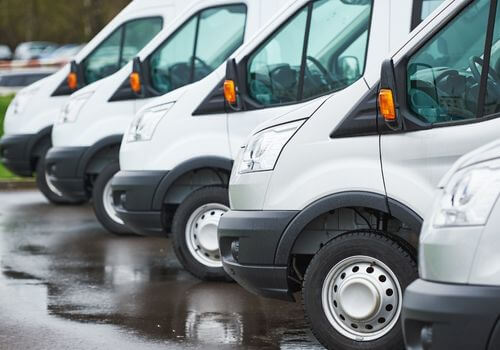
Small Fleets
Companies with multiple commercial vehicles involved in accidents
Learn More About Small Fleets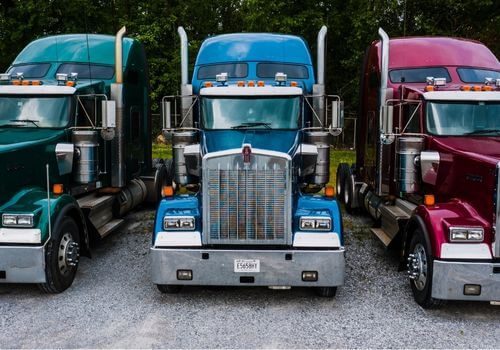
Heavy Haulers
Specialized equipment operators with high daily revenue
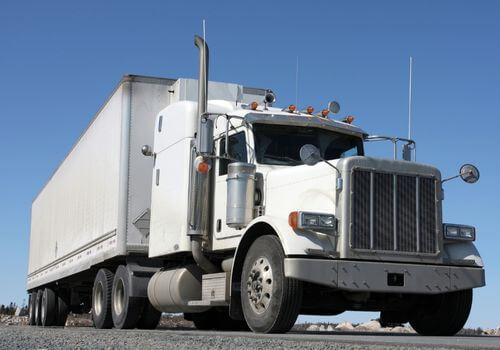
Motor Carriers
Any business whose operations depend on keeping equipment on the road
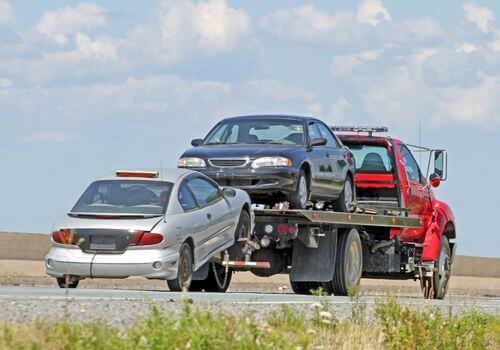
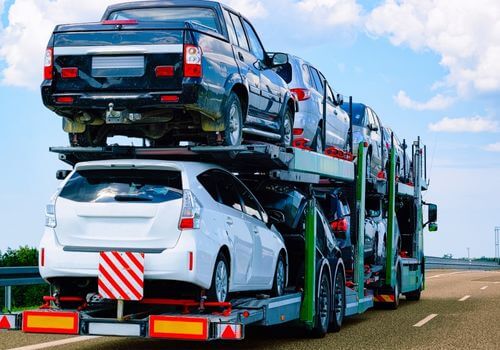
Leased Operators
Drivers who lease their equipment and face continued payments even when vehicles are damaged
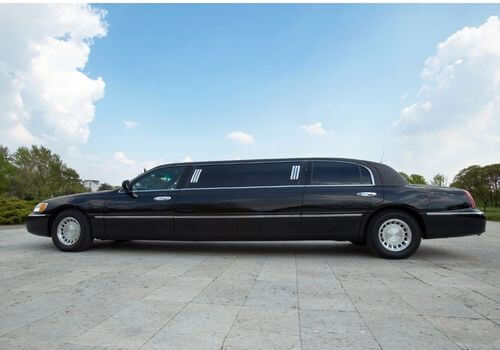
Business With Commercial Equipment
The trades, buses, limos, taxis, government vehicles, farming equipment, etc.
Understanding Loss of Use and What Losses You Can Pursue in Your Downtime Claim
In a strong downtime claim, we typically pursue multiple categories of damages:
Lost Profits and Lost Income
The Core Downtime Damages
Using your historical revenue records, load sheets, expenses, and special circumstances, we quantify what you would have earned but for the accident. This is the primary component of your claim.
What we document
- Daily or weekly average revenue before the incident
- Contracts or loads you couldn't fulfill
- Seasonal variations in your income
- Specialty equipment that commands premium rates
- Utilization rates for your specific operation
Lost Contracts and Future Earnings
If you were forced to cancel or forfeit contracts or dedicated runs due to the incident or resulting delays, those losses may be added.
This includes:
- Dedicated lane agreements you couldn't fulfill
- Long-term customer relationships damaged
- Broker relationships affected
- Future opportunities lost due to reliability concerns
Repair-Related Out-of-Pocket Expenses
Towing, storage, rental attempts, alternate transportation, hotel, and other direct expenses because of the incident may be added to your property damage claim.
Diminution of Value (Diminished Value)
Even after the vehicle is repaired, your truck may still lose market value. We bring in valuation experts to support this diminished value component of your property damage claim.
Deductible Reimbursement
If you filed an insurance claim under your own policy, you may have sustained a deductible payment. We can pursue reimbursement from the at-fault party for your deductible if your own insurance company doesn't.
Our Downtime Claim Process and How We Maximize Your Recovery
We’ve designed a systematic approach to maximize recovery and streamline the experience for you:
Stage 1
Free Case Review and Consultation
What happens: We review your accident details and determine if a strong downtime claim exists. We evaluate whether you qualify based on liability, damages, and documentation.
Your role: Call (904) 278-7688 or submit your case info online through our “Do I Have a Case?” form
Stage 2
Evidence and Documentation to Prove Your Losses
What happens: We help you assemble the police report, repair invoices, load records, communication logs, rental attempts, and everything needed to build your case.
Your role: Provide whatever documents you have; we assist in filling gaps and gathering evidence to support your claim
Stage 3
Demand Package, File claim, and Insurance Negotiation
What happens: We calculate all damages and prepare a detailed demand that justifies your losses. We press insurers for full settlement.
Your role: We handle negotiations; your involvement at this point is minimal and behind the scenes
Stage 4
Dispute and Litigation (If Necessary)
What happens: If the insurer refuses to reasonably pay, we escalate to filing suit via a local attorney in our national network.
Your role: We coordinate litigation; you are supported 100% and work with local counsel
Stage 5
Resolution and Payment
What happens: When settlement or judgment is achieved, we help ensure funds are collected and delivered to you.
Your role: You receive your compensation minus agreed legal fees
Because insurance companies often undervalue downtime claims, our skill lies in educating adjusters, countering objections, and proving your losses with precision.
Common Challenges in Downtime and Property Damage Claims How We Overcome Them
Mitigation – Did You Do Enough?
The problem: Adjusters may argue you failed to minimize your losses (e.g., by renting a replacement, hauling for someone else, buying another vehicle, filing with your own insurer, etc.)
Our approach: We document and respond with every effort you made to rent or substitute, including gathering denials from rental providers. We show when mitigation wasn’t possible because comparable vehicles weren’t available.
What we prove:
- Rental searches and denials
- Why comparable equipment wasn’t available for commercial trucks
- Cost of renting would have exceeded potential income
- Your attempts to use another vehicle in your fleet
- Why a standard rental car doesn’t replace a commercial truck
Excessive Repair Time Claims
The problem: If repairs take longer than expected, insurers might argue the timeframe is unreasonably long.
Our approach: We counter by proving when delays are not your fault, including facts regarding:
- Parts on back order for commercial vehicles
- Shop and labor backups in the repair industry
- Involvement of highly specialty equipment
- Delays caused by the insurer or adjuster themselves
- Time required to properly repair commercial trucks vs. passenger vehicles
Disputes Over Methodology for Calculating Damages
The problem: They might contest your lost income model or say your historical data is non-representative.
Our approach: We anticipate these defenses and address them at the time of demand and throughout negotiation. Forensic accountants and trucking industry experts are brought in as necessary to validate your calculation approach.
We establish:
- Your actual daily revenue using settlement sheets and invoices
- Industry standards for similar vehicles and operations
- Reasonable rental value for comparable commercial trucks
- Per diem rates that reflect true commercial vehicle economics
- Daily rates based on your income, not passenger vehicle rental rates
States and Statutes Vary
The problem: Cities, counties and states have specific deadlines for pursuit of claims and types allowed.
Our approach: We navigate these specific laws to tailor your claim to the proper jurisdiction and make sure you are protected under applicable state and federal regulations.
Insurer Resistance and Bad Faith
The problem: Insurance companies may try delay tactics, stalling payment, undervaluing equipment, reducing downtime days allowed or minimalizing losses per day. Some may deny claims outright.
Our approach: Our legal team is prepared to hold them accountable and go up through the chain of command as necessary. Bad faith claims are considered when warranted and allowed.
Proving Your Losses What Documentation You Need
Your lawyer will help you sort through which items are needed and impactful in your case.
Accident and Liability Documentation
- Police report – Establishing the incident occurred and who was at-fault
- Photos from scene – Showing damage and conditions
- Witness statements – Supporting your version of events
- At-fault party information – Driver details, insurance provider, policy information
- Clean driving record – Strengthens your claim
Income and Loss Documentation
- Settlement sheets – Your actual revenue for the period before the incident
- Load confirmations – Specific hauls you couldn’t complete
- Bank statements – Deposits showing your income pattern
- Tax returns – Annual income verification
- Contracts – Dedicated runs or agreements you couldn’t fulfill
- Dispatch records – Showing your typical utilization
Vehicle and Repair Documentation
- Repair estimates and invoices – Showing when work began and when the vehicle is repaired
- Parts documentation – Proving delays due to back-ordered parts
- Total loss valuation – If the vehicle is declared a total loss
- Diminished value appraisal – Market value reduction even after repairs
- Photos of damage – Before, during, and after repairs
Mitigation Documentation
- Rental attempts – Proof you tried to rent equipment
- Cost quotes – Showing rental cost exceeded reasonable rates
- Fleet utilization – If you tried to use another vehicle from your fleet
- Communication logs – Attempts to minimize losses
- Your own insurance filing – If you filed to mitigate losses
Loss of Use CoverageWhat Your Insurance Policies May or May Not Cover
Understanding Your Own Commercial Auto Policy
Collision coverage – Pays for repairs to your vehicle after an incident
Comprehensive coverage – Covers non-collision damage
Rental reimbursement – May pay for rentals while your vehicle is being repaired (but typically insufficient for commercial trucks)
Downtime coverage – Rarely included in standard commercial policies and if included, often not enough to cover the downtime period or lost income suffered.
Important: Many commercial auto insurance policies do NOT include loss of use coverage. This is why pursuing claims against the at-fault party’s insurance is critical.
At-Fault Party’s Insurance Obligations
Property damage liability – Most cover damage to your vehicle
Consequential damages – Includes downtime in most jurisdictions
Rental reimbursement – Should cover reasonable rental value if you secured a replacement
Under most state laws, the at-fault driver’s insurance must provide compensation for downtime, even if your own insurance policies don’t cover it.
Special Considerations forCommercial Vehicle Downtime Claims
How Commercial Truck Claims Differ from Passenger Vehicle Accidents
Income magnitude – A commercial truck may generate $500-$2,000+ per day, far exceeding typical rental car costs
Rental availability – Comparable commercial trucks aren’t available for rent in many markets
Repair complexity – Commercial vehicles require specialized facilities and parts, extending time while your vehicle is being repaired
Business impact – Loss extends beyond the vehicle to your business operations, contracts, and reputation
Specialty equipment – Modified trucks, refrigerated units, heavy haul equipment have unique considerations
Total Loss Scenarios
When your vehicle is declared a total loss, your downtime claim depends on:
Time to receive payment – How long until the insurance claim is resolved
Time to acquire replacement – Reasonable time to find and purchase a similar vehicle
Financing delays – If you need financing for another vehicle
Equipment preparation – Time to equip and prepare a replacement for your operation
Even in total loss situations, many state laws allow you to claim downtime for the reasonable time it takes to replace the vehicle.
Why ChooseEckert & Associates, P.A. for Your Downtime Claim
Decades of
Specialized Experience
Kelsea Eckert has been advocating for owner-operators, fleets and small businesses since 1988. Our team is very knowledgeable in trucking, insurance and law. We understand how to build claims that maximize your recovery.
Trucking Industry Insider Perspective
We speak your language and understand lost loads, settlement sheets, specialty equipment, and operational constraints. We know how quickly bills pile up when you're not running. It's important to work efficiently to get you back on the road and get your lost money back in your pocket.
Nationwide Reach Through Trusted Networks
We engage local litigation counsel if filing suit is the only option to reasonable resolution. Our network covers all state and federal courts.
Aggressive but Professional Advocacy
We believe in pushing insurance companies and self-insured entities hard, but never crossing professional lines. We are respectful and respected in the insurance and trucking industries and appreciate the professional relationships developed over the years.
Transparent Communication
We keep you informed throughout the process. You know your options at each level, and our fees are clearly explained in writing. You'll always know where your case stands.
No Cost, No Obligation EvaluationHow to Get Started
Stage 1
Free Initial Case Evaluation
Call (904) 278-7688 or submit your details online through our “Do I Have a Case?” button. We’ll determine if you qualify and what your potential recovery might be.
Stage 2
Document Collection
We’ll guide you on the most important documents to gather, including accident, repair, income, and communication records needed to prove your losses.Stage 3
Demand & Negotiate
We handle the work while you focus on running your business. We press insurance companies for full compensation.Stage 4
Recovery or Litigation
If necessary, we escalate your case to litigation counsel for filing suit. We fight to help you receive compensation for your full losses.
Why Many Downtime
Claims Fail or Are Underpaid
Insurance companies often challenge your calculations, dispute fault, or argue you failed to mitigate losses. That’s where expert legal support makes a difference. We fight on your behalf not just for repair costs, but for the full economic toll of the downtime period.
Don't Allow Insurance Companies To
Assume You'll Give Up On Downtime Damages.
With the right legal team, pursuing the full value of your claim
is not just possible, it is expected.
Downtime Claims Across Different Commercial Vehicle Types
Typical daily income: $500-$1,500 depending on freight type
Calculation method: Customized to your business, based on your actual settlement sheets and load history
Common issues: Insurers dispute income without W-2, challenge irregular income patterns and 6-7 day per week driving patterns
Our approach: Use load confirmations, settlement sheets, bank deposits, and 1099s to prove reasonable amounts
Typical daily income: Varies by vehicle and utilization
Calculation method: Vehicle-specific analysis based on actual deployment
Common issues: Insurers argue you should have used another vehicle from your fleet
Our approach: Prove why substitute vehicles weren’t available or suitable, document fleet utilization rates, permanent loss of drivers if vehicles aren’t available
Heavy Haul and Specialized Equipment
Typical daily income: $1,000-$3,000+ for specialized hauling
Calculation method: Customized calculations of premium rates for specialty equipment capabilities
Common issues: Insurers claim standard truck rates are comparable, don’t understand that specialty vehicle rates rarely exist, challenge specialty premium
Our approach: Prove market value of specialized capabilities, document contracts requiring specific equipment
Refrigerated and Temperature-Controlled Units
Typical daily income: $800-$2,000 for reefer operations
Calculation method: Includes premium for temperature control capability
Common issues: Insurers try to use dry van rates instead of reefer rates
Our approach: Establish reasonable rental value for comparable equipment with refrigeration, prove specialty market rates
Every Day You Wait to Pursue Your Claim Is
Another Day Insurers Assume You’ve Given Up.
Industry Connections
OOIDA (Owner-Operator Independent Drivers Association) – Resources for independent truckers
American Association of Owner Operators, LLC
Truckload Carriers Association, Inc.
National Association of Small Trucking Companies
American Trucking Associations – Industry standards and advocacy
FMCSA (Federal Motor Carrier Safety Administration) – Regulatory compliance
State Trucking Associations – Local resources and support


Take Action
Don't Leave Money on the Table
No fee unless we recover.
Have a clear liability case?
You only pay if we successfully obtain compensation on your behalf.
Downtime ClaimsFrequently Asked Questions
You can still pursue compensation even if you didn’t secure a substitute in most states. Downtime refers to your inability to use your vehicle and the income you lost, regardless of whether you obtained equipment elsewhere. In fact, for commercial trucks, you often cannot mitigate through rentals because comparable vehicles aren’t available.
Compensation is typically calculated using:
- Your actual daily revenue (preferred method)
- Reasonable rental value of a similar vehicle
- Industry standard per diem rates for comparable equipment
- Daily rates for similar commercial vehicles (if available)
Your actual income losses usually exceed standard rental value calculations.
We pursue compensation from the date of the incident until:
- The vehicle is repaired and returned to you
- You receive payment for a total loss
- You acquire a replacement (for total loss scenarios)
- A reasonable time for repairs has passed
The claim duration depends on the specific circumstances, but generally covers the entire period you were without equipment due to the incident.
We respond by showing relevant facts, including:
- You attempted to rent comparable equipment but were denied
- The cost of renting commercial equipment exceeded reasonable amounts
- No comparable rentals were available in your market
- Rental rates for commercial trucks made renting impractical
- A standard rental car cannot replace a commercial truck
This proves you took reasonable steps to mitigate.
It’s important to consult an attorney regarding your specific situation. Generally, in comparative negligence states, you may still recover damages proportional to the other party’s fault percentage. For example, if you were 20% at fault, you could recover 80% of your losses. However, in contributory negligence states, any fault may bar recovery.
You may still be able to claim downtime if:
- The vehicle is unsafe to operate commercially
- You cannot legally operate it (failed inspection, DOT violations)
- Operating it risks further damage
- Your contracts require specific equipment standards not met by the damaged vehicle
Downtime may still apply even if the vehicle is technically drivable.
If you have personal injuries from the incident, you need a personal injury attorney to handle medical bills, pain and suffering, and bodily injury claims. For downtime claims and property damage, you need an attorney who specializes in commercial vehicle property claims. We handle property damage; we can refer you to a personal injury attorney if you have injury claims.
A standard rental car or truck cannot replace a commercial truck for business purposes. While the insurer may offer reimbursement for a passenger vehicle, this doesn’t address your actual income losses. You can still pursue downtime for your commercial truck income in most states even if they pay for a rental car.
Many of our cases resolve within 60-90 days if:
- Liability is clear (at-fault party is obvious)
- Documentation is complete
- The vehicle is repaired or total loss is settled
- The insurer negotiates reasonably
Complex cases with disputed liability, complicated repairs, or resistant insurers may take 6-12 months or more if resolved in-house or longer if litigated.
While it is often better to have legal representation to handle all conversations with an adjuster to avoid making statements that could hurt your claim, some of the questions include:
- What is their daily rate calculation method?
- Will they accept my actual income as the basis for damages?
- What documentation do they need to process my claim?
- What is their timeline for resolving the property damage claim?
Even if you file a claim with your own insurance company for repairs, you may still pursue other damages from the at-fault party. Your policy likely doesn’t include loss of use coverage, and even if it does, you can seek full compensation from the responsible party.
This page provides general information about downtime claims for commercial vehicles and is not legal advice. It does not create an attorney-client relationship. Each case depends on specific facts, jurisdiction, and circumstances. Contact our law firm for a free evaluation of your specific situation.