

For carriers, growth is a sign of progress. More trucks on the road generally means more freight, more revenue, and more opportunities.
But there’s a side of growth that often catches fleets off guard.
As operations expand, cash flow can quickly get tight. This is what many in the industry refer to as the cash flow gap, which is the space between when money goes out and when it comes back in. For growing fleets, that gap tends to widen quickly.
Understanding why that happens is key to avoiding one of the most common problems in trucking: running out of cash while the business is technically growing.
Why Does Growth Make the Cash Flow Gap Worse?
Carriers have to cover fuel, payroll, insurance, and maintenance up front, but are often stuck waiting 30 to 60 days to get paid by brokers or shippers.
For a single-truck operation, that delay can often be manageable. But for a growing fleet, it becomes much more complicated. Each additional truck increases both revenue and expenses, but expenses hit immediately while revenue is delayed. That imbalance is where the pressure starts to build.
Growth, while it does add revenue, multiplies financial commitments. When fleets add trucks, they are also adding new layers of cost that need to be covered every week, not every 30 or 60 days.
Fuel costs increase with every load. Payroll expands as drivers are added. Insurance premiums rise as exposure grows. Maintenance becomes more frequent as more equipment is on the road. All of this happens before a single invoice is paid. That means a fleet can be busier than ever and still feel cash-strapped at the same time.
The Real Problem: Timing and Fixed Costs
One of the biggest challenges for growing carriers is timing. Revenue may look strong on paper, but if most of it is tied up in unpaid invoices, it cannot be used to cover current expenses.
This is where many fleets run into trouble. They rely on expected income instead of available cash.
A growing accounts receivable balance might seem like a good sign, but it can quickly become a liability if payments are delayed. Even a profitable fleet can struggle if too much money is stuck in the billing cycle.
At the same time, fixed costs continue to stack up. Truck payments, insurance, and payroll do not slow down when cash flow tightens. These obligations stay consistent, regardless of when customers pay. Adding just a few trucks can drastically increase monthly commitments.
Without a plan in place, these costs can outpace incoming cash, especially during periods of slow payments or unexpected expenses. This is why growth often feels more stressful than expected.
Signs the Cash Flow Gap Is Growing
There are usually early warning signs when cash flow starts to tighten.
For example, carriers may begin relying more heavily on credit to cover fuel or maintenance. Payments to vendors tend to get more and more stretched in order to keep cash flow in the green. Maintenance schedules may also have to be delayed to conserve cash.
In some cases, fleets have to turn down good loads because they just cannot afford the upfront costs associated with it. This is when the cash flow gap becomes a real issue.
These signs that the gap is widening shouldn’t go ignored or left unaddressed. Catching these signals early can make a big difference.
How Growing Fleets Can Stay Ahead
The first step is getting a clear picture of where your cash is going and when it is coming back in. When you have a good handle on both your receivables and your expenses, it is much easier to avoid surprises. Keeping your books organized and regularly checking your numbers goes a long way. Putting together an AR aging schedule can also help you see which invoices are still outstanding, how long they have been sitting, and where things might start slipping.
It is also important to be realistic about growth. Adding trucks or expanding your fleet should come with a plan for how you will cover the extra costs, especially if payments take time to come in. Growth can be a good thing, but without a clear cash flow plan, it can put more strain on the business than expected.
Building cash reserves over time can give you some breathing room. Even small, steady contributions can add up and help cover unexpected expenses or slow periods. Having that cushion in place makes it easier to handle bumps in the road without scrambling.
Operational consistency matters too. Sending invoices on time, keeping paperwork accurate, and staying organized with billing can all help speed up payments. It also helps to follow up when needed and stay in touch with customers so things do not fall through the cracks.
How Freight Factoring Can Help Bridge the Gap
When the cash flow gap becomes difficult to manage, many carriers turn to financing tools to stabilize operations.
Freight factoring is one of the most common options. It allows carriers to turn unpaid invoices into immediate cash instead of waiting 30 to 60 days for payment. After delivering a load, the carrier submits the invoice to a factoring company and receives most of the value within a day or two. The factoring company then collects payment from the broker or shipper.
For growing fleets, this can be especially useful. As more loads are hauled, more cash gets tied up in accounts receivable. Factoring helps convert that tied-up revenue into working capital that can be used right away for fuel, payroll, and maintenance. It also creates more consistency in cash flow, which makes it easier to plan and continue growing without interruption.
There is a cost involved, typically a small percentage of the invoice, but many carriers view it as a tradeoff for faster access to cash and reduced financial pressure. It can also take some of the administrative burden off your plate as collections are handled by the factoring company.
Final Thoughts: Growth Is Still the Goal, But Timing Matters
Expanding a fleet is not a bad decision. For many carriers, it is the path to higher revenue and long-term stability.
The issue is not growth itself. It is growing faster than your cash flow can support. Taking on too much too quickly can create pressure that is hard to recover from, even if the business is doing well overall.
Slower, more controlled growth often leads to better outcomes because it allows time to build reserves, refine processes, and stabilize operations.
Carriers that understand these facets of growth before they’re in the thick of it are best-positioned to excel without putting their business at risk. And at the end of the day, success in trucking is not necessarily about how much freight you move, but about how well you manage the money that comes with it.
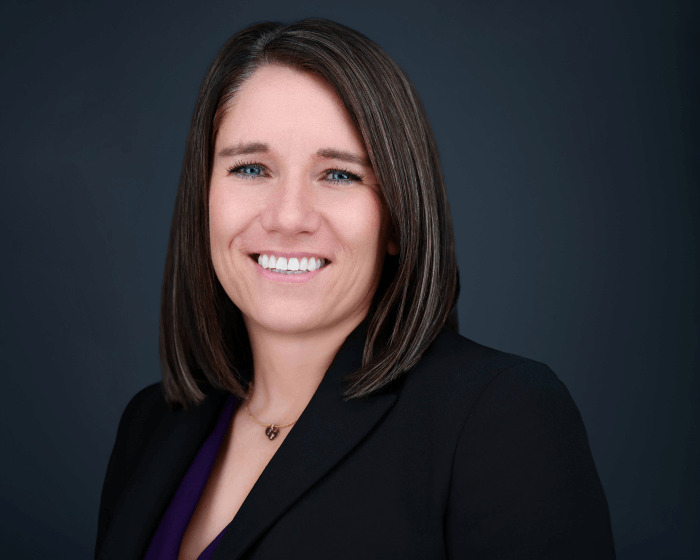
Jennifer Lockett is the Freight Factoring Operations Manager at altLINE, the factoring division of The Southern Bank Company.
A Lovell, Wyo. native, Jennifer joined altLINE in 2024 to help launch altLINE’s freight factoring program, bringing with her eight years of experience in the factoring industry and 18 years in the general trucking industry.

